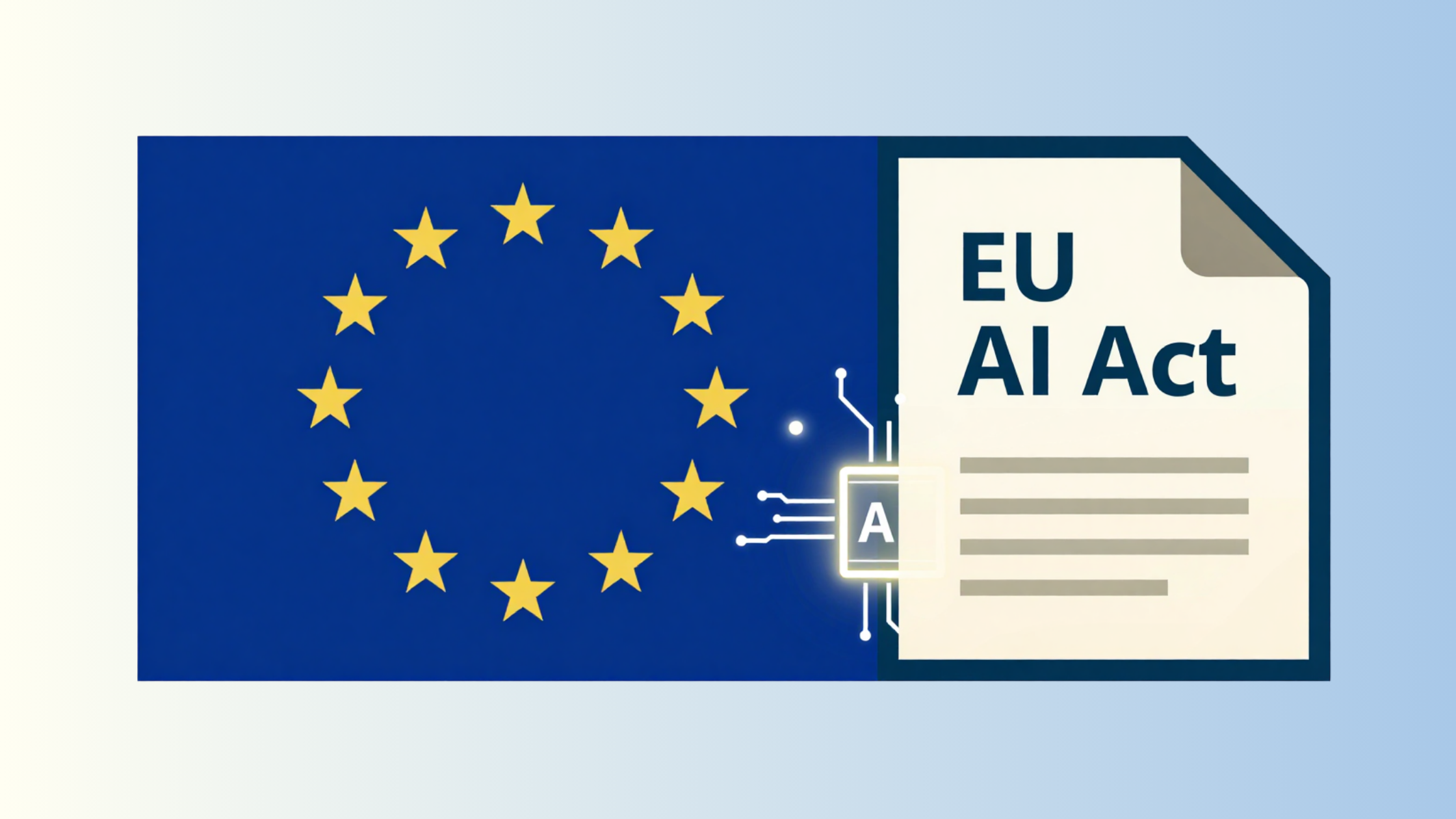
Who is covered by the EU AI Act?
From August 2, 2026, the requirements of the EU AI Act will apply to high-risk AI systems in areas such as critical infrastructure, financial services, healthcare, education, and employment. The regulation also affects Swiss companies if they develop or deploy AI systems for the EU market, or if the results of these systems affect individuals in the EU.
What the EU AI Act specifically requires for high-risk systems
The core of the regulation: Quality assurance is no longer sufficient if it is only documented internally. Verifiable, documented proof is required, provided by a party that can credibly demonstrate its independence from the development process. Violations are punishable by fines of up to €35 million or 7 percent of global annual turnover, whichever is higher.
Why internal teams often get stuck at this point
A development team can review, document, and approve its own work. What's missing is the distance to the project that an external party brings. The EU AI Act explicitly requires precisely this distance: a party that was not part of the development process.
For Swiss companies, a second layer comes into play. Those who collaborate with European financial institutions are already familiar with regulatory requirements like DORA from an operational perspective. The EU AI Act adds to these requirements with an AI-specific testing perspective: robustness, fairness, and regulatory compliance of the models used.
What a verifiable audit trail must contain
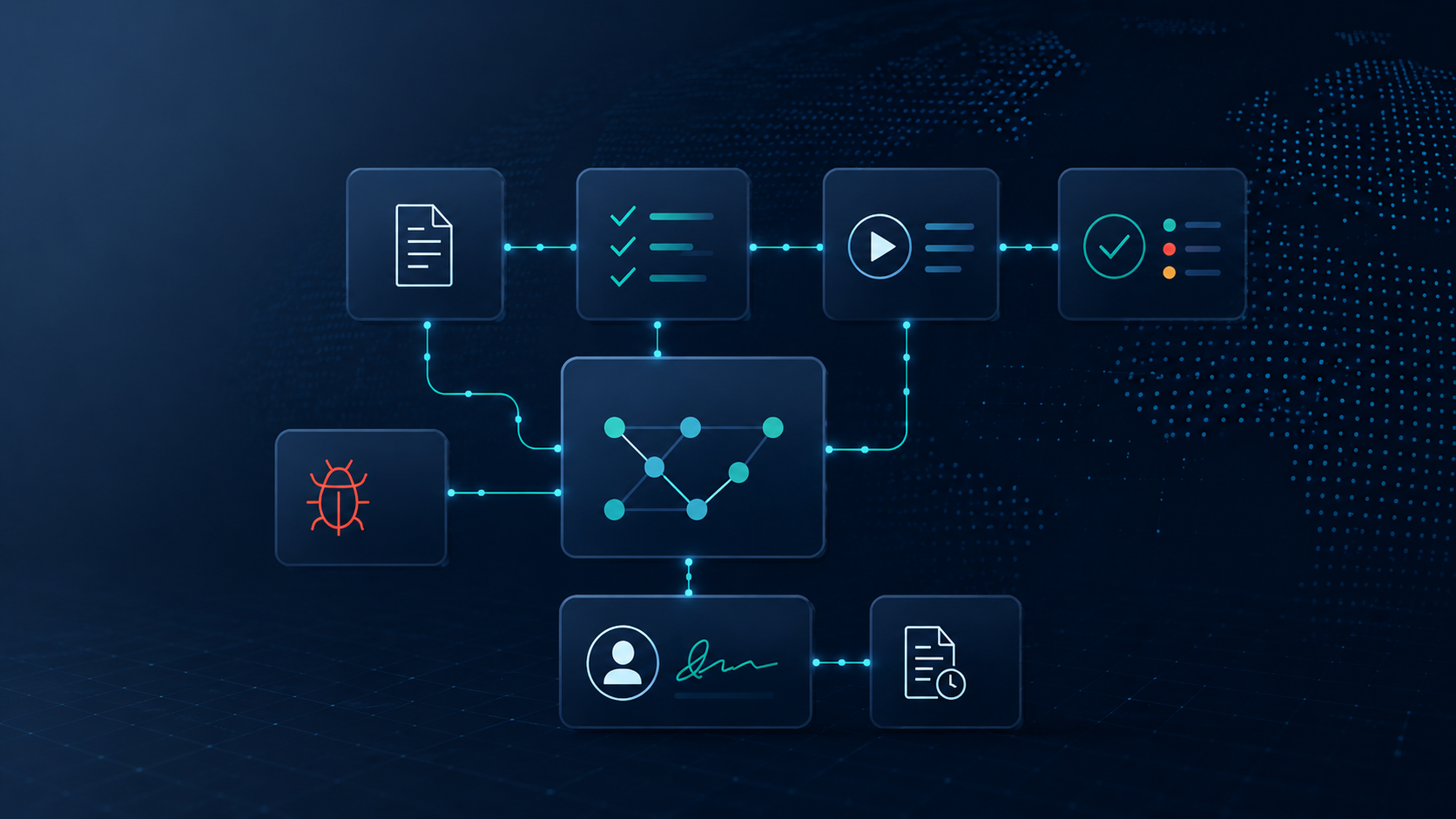
An audit trail for high-risk systems requires more than just a test protocol at the end of the project. It is best created concurrently with the project, not retrospectively shortly before submission, and documents:
- which test cases were chosen and why
- how borderline cases and error scenarios were handled,
- how the results are demonstrably linked to the regulatory requirements,
- who conducted the review and how their independence from the development team is proven.
We bring practical experience from ISTQB certification training for AI testing (as the first Swiss company) and from mandates in regulated environments to build this evidence in such a way that it can withstand scrutiny.
When is an AI system considered high-risk?
An AI system is considered high-risk if it is used in one of the aforementioned areas and poses a significant risk to safety, health, or fundamental rights.
The affected areas
- Critical infrastructure (e.g., energy, transport)
- Financial services (e.g., lending, insurance)
- Healthcare (e.g., diagnostic tools, hospital management)
- Education (e.g., exam automation, learning platforms)
- Employment (e.g., application filters, performance evaluation)
Where you can start now
An initial assessment clarifies three questions:
- Which of your systems fall under the high-risk categories of the EU AI Act?
- How far is the existing test documentation from a verifiable audit trail?
- Who could conduct the required independent audit, either internally or externally?
Building AI testing skills
Would you like to learn more about testing AI systems? Our training and consulting services will help you confidently implement legal requirements. You can also read our blog post on the European AI Act.


%20%20Anforderungen%20an%20Testdaten%20%26%20Testing-3.png)